
Latest posts
-
Sedum Burrito Care Guide: How to Keep Your Burro’s Tail Happy
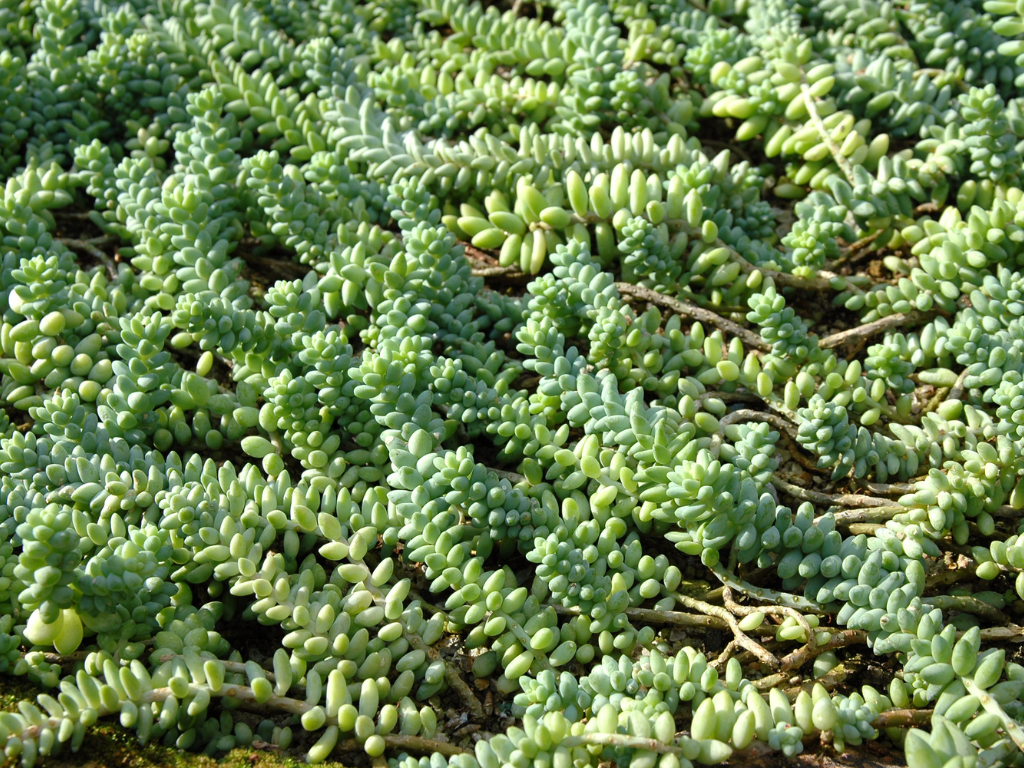
Understanding Your Sedum Burrito The Sedum Burrito, often referred to as Burro’s Tail, is a captivating succulent belonging to the Crassulaceae family. This plant, scientifically known as Sedum morganianum burrito, is native to the mountainous regions of Mexico, where it has adapted to thrive in arid environments. The unique visual appeal of the Sedum Burrito
-
Solanum Jasminoides Care & Growing Guide: The Elegant Climbing Vine

Introduction to Solanum Jasminoides Solanum jasminoides, commonly known as Jasmine Nightshade, is a perennial shrubby plant that belongs to the Solanaceae family. This species is native to South America, specifically thriving in tropical and subtropical regions. In its natural habitat, the solanum jasminoides plant can often be found climbing over structures, making it an exceptionally
-
Peperomia Polybotrya Care Guide: Keep Your Raindrop Plant Thriving

Understanding Peperomia Polybotrya Peperomia polybotrya, commonly referred to as the Raindrop Plant, is a delightful addition to any indoor garden due to its unique aesthetic and relatively simple care requirements. This species is a member of the Peperomia genus, which encompasses over 1,500 varieties of plants, native primarily to tropical and subtropical regions. The Raindrop
-
How to Grow and Care for Azalea Japonica Year-Round

Understanding Azalea Japonica Azalea Japonica, a member of the Rhododendron family, is a beloved flowering shrub native to the cool, moist woodlands of Japan. This plant is distinguished by its vibrant blooms, which can vary in color from deep pinks to soft whites, enhancing the aesthetic appeal of any garden. The azalea japonica plant typically
-
Viscum Album: Europe’s Sacred Mistletoe and Its Medicinal Magic

Introduction to Viscum Album Viscum album, commonly known as mistletoe, carries profound historical and cultural significance, particularly throughout Europe. This evergreen plant has been revered for centuries, serving as a symbol of peace, love, and protection. Its origins can be traced back to ancient civilizations, where it played a vital role in rituals and traditions.
-
How to Grow and Care for Lonicera Nitida in Your Garden
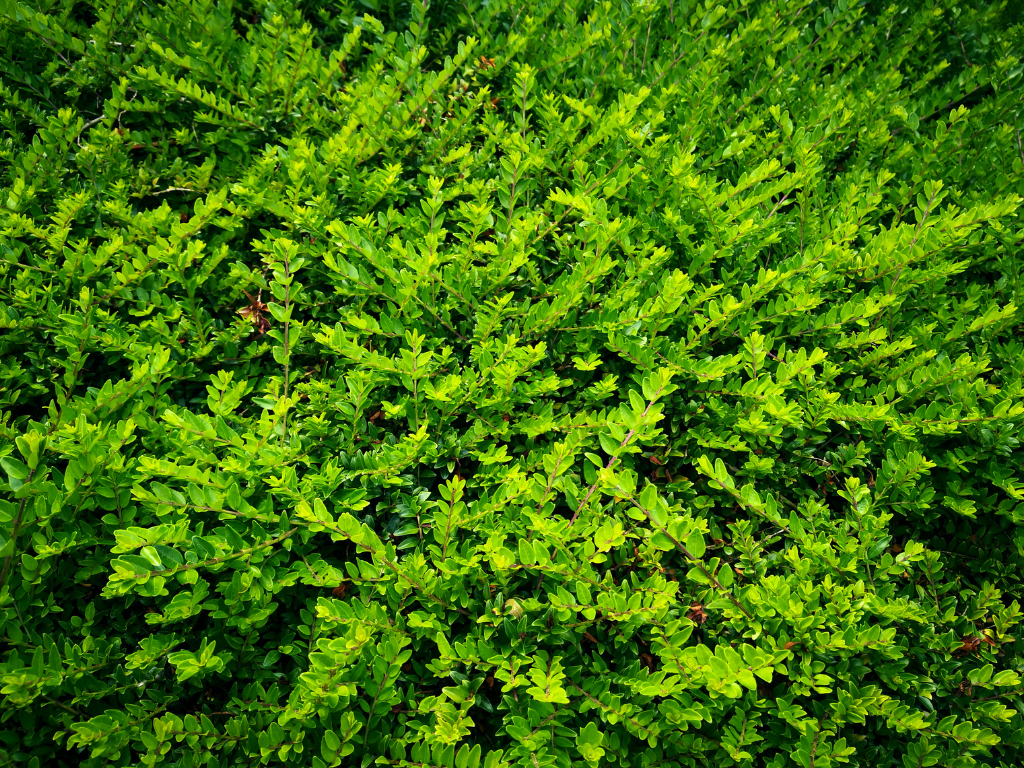
Introduction to Lonicera Nitida Lonicera nitida, commonly referred to as box honeysuckle, is a species native to the East Asian regions, notably China and Japan. This versatile shrub has gained considerable popularity among gardeners due to its attractive appearance and adaptability to various gardening styles. With its small, glossy leaves and dense growth habit, it
-
How to Grow and Care for Elaeagnus Ebbingei Year-Round
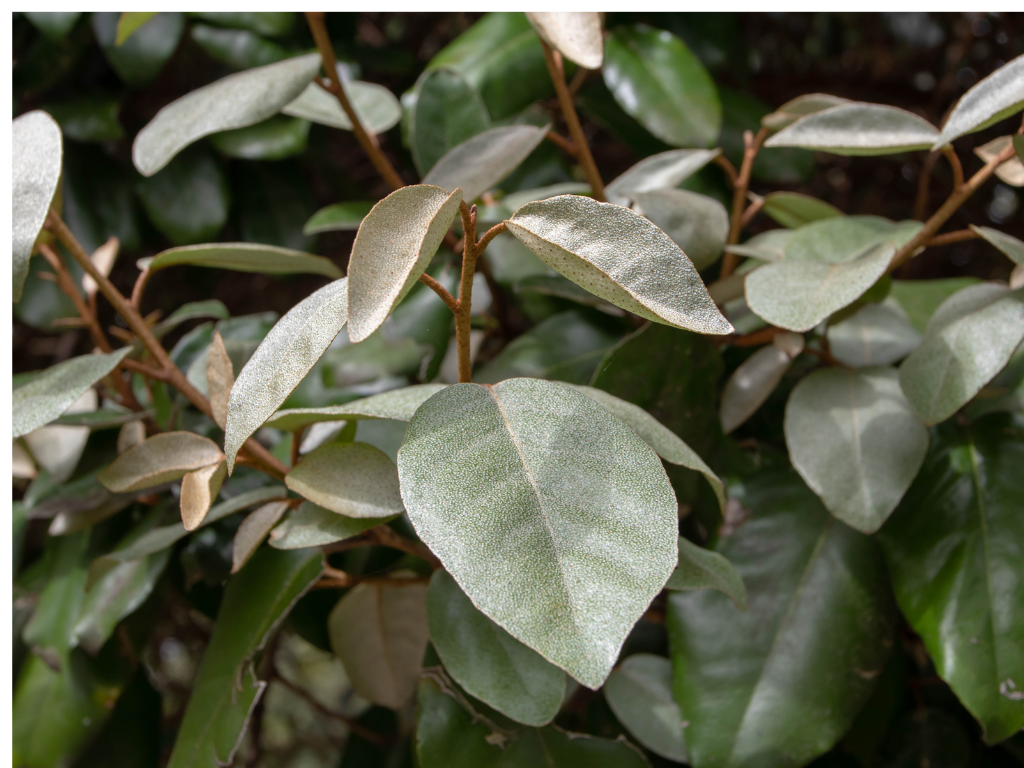
Understanding Elaeagnus Ebbingei Elaeagnus ebbingei, often referred to as Ebbinge’s silverberry, is a remarkable shrub known for its unique attributes and versatility in garden design. This particular species is native to East Asia, particularly found in regions such as China and Japan. Its adaptability has allowed it to thrive in a range of environments, making
-
How to Choose the Best Corner Summer House for Your Outdoor Space

Understanding Your Space and Needs Before diving into the process of selecting the ideal corner summer house, it is essential to first evaluate your outdoor space and clearly define your specific needs. Start by assessing the dimensions of your garden or patio. Measure the available area to ensure that the summer corner house you choose
-
Beginner’s Guide to Starting an Indoor Garden Tower at Home

Understanding Indoor Garden Towers Indoor garden towers are innovative vertical gardening systems designed to optimize space, particularly suitable for urban environments where traditional gardens may not be feasible. These tower indoor gardens allow individuals to cultivate a variety of plants, including vegetables, herbs, and flowers, in a compact and efficient manner. The design typically features
-
The Ultimate Guide to Ericaceous Compost: What It Is, How to Make It, and Which Plants Need It

Understanding Ericaceous Compost Ericaceous compost is a specialized growing medium specifically formulated to meet the needs of acid-loving plants, such as rhododendrons, heathers, and azaleas. The defining characteristic of this type of compost is its low pH level, typically ranging between 4.5 and 6.0. This acidic environment is essential for the optimal growth of such