
Latest posts
-
Unlocking the Secrets of Santalum Album: The Marvels of Indian Sandalwood
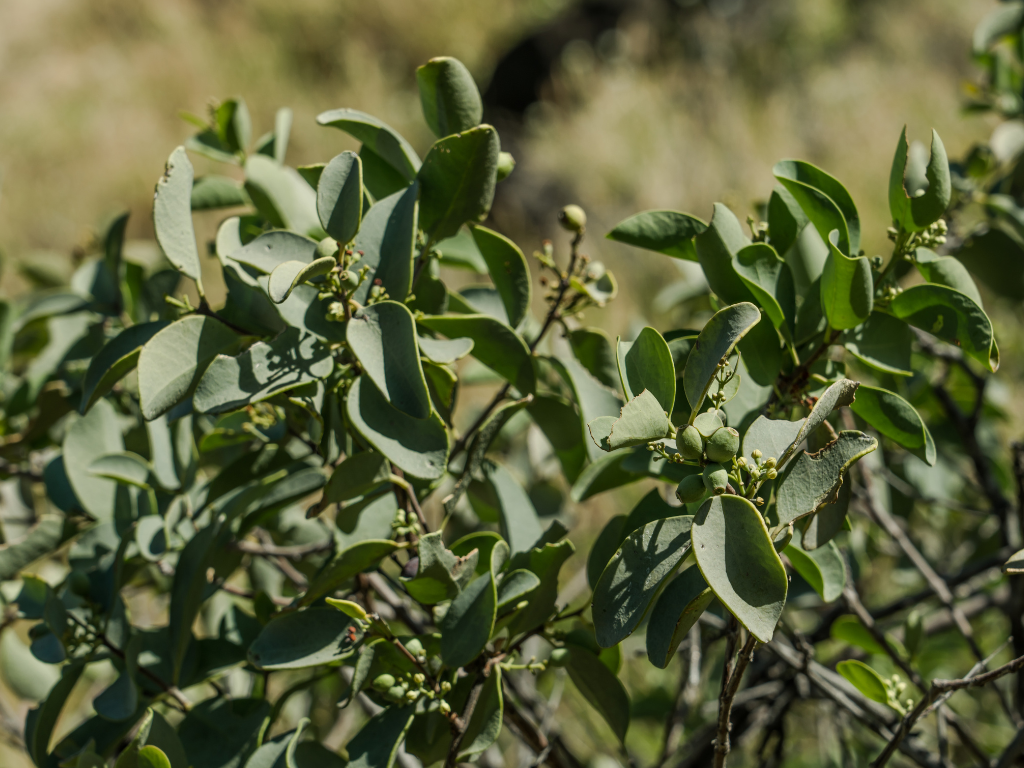
Introduction to Santalum Album Santalum album, widely recognized as Indian sandalwood, is a unique plant known for its fragrant heartwood and essential oil. This evergreen tree typically grows to a height of 5 to 8 meters, and it thrives in tropical and subtropical regions, particularly in India, Southeast Asia, and Australia. The species is characterized
-
Petrea Volubilis: How to Grow and Care for the Queen’s Wreath Vine
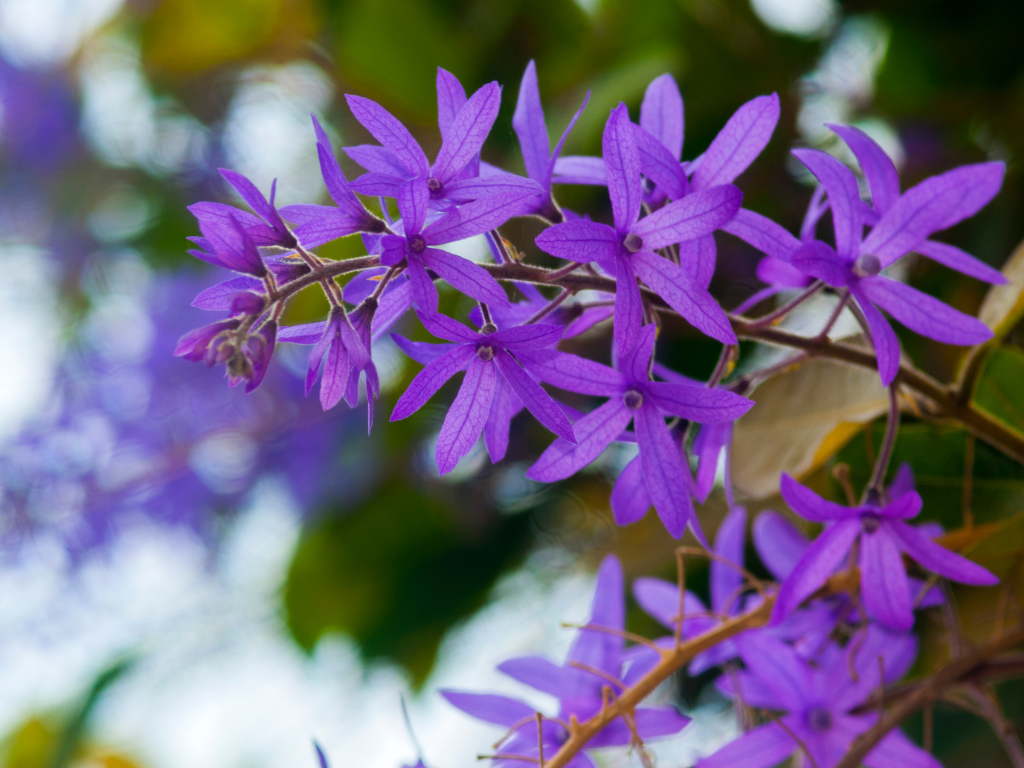
Introduction to Petrea Volubilis Petrea volubilis, commonly referred to as the Queen’s Wreath vine, is a remarkable flowering plant native to tropical areas of Central and South America. This vine thrives in warm, humid climates, where it can reach impressive heights, often climbing to 30 feet when given the opportunity. The Queen’s Wreath is renowned
-
The Incredible Benefits of Emblica Officinalis: A Deep Dive into Amla’s Nutritional Superpowers
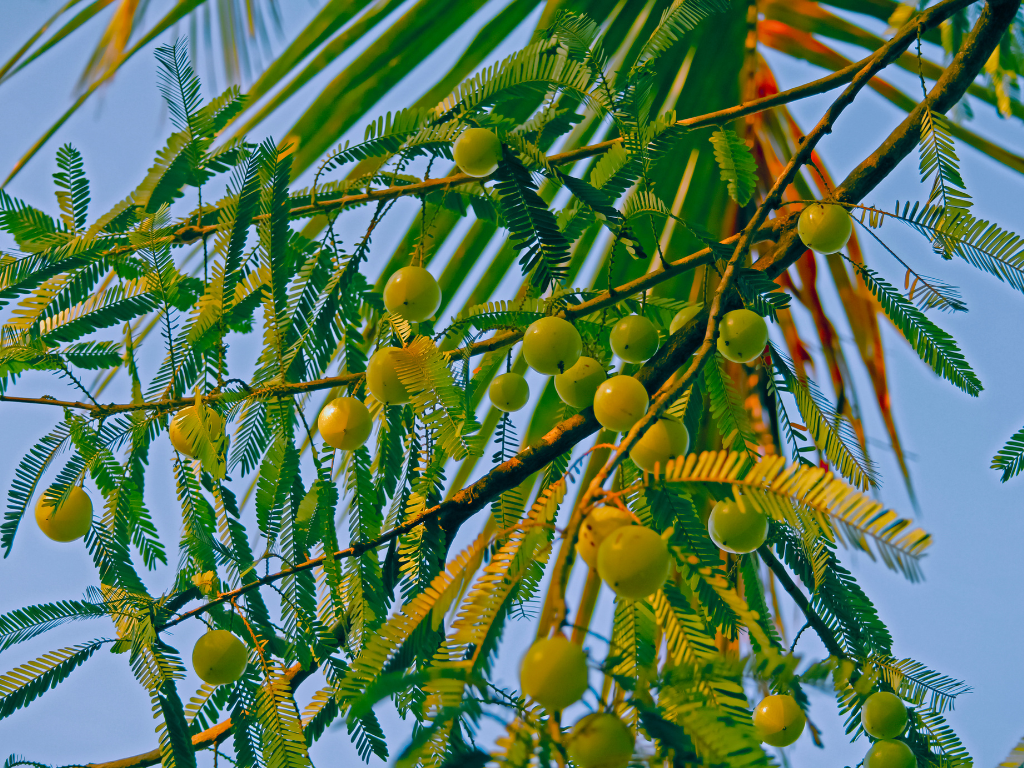
Introduction to Emblica Officinalis Emblica officinalis, more commonly known as amla, is a fruit-bearing tree native to the Indian subcontinent, renowned for its myriad health benefits and rich cultural significance. This botanical marvel belongs to the Euphorbiaceae family, and the tree can reach a height of about 8 to 18 meters. Characterized by its small,
-
Easy Tofu Stir Fry: A Quick, Healthy, and Delicious Vegan Dinner

Introduction: The Perfect Quick Weeknight Dinner In today’s fast-paced world, finding the time to prepare a healthy dinner can often seem like a daunting task. However, an easy tofu stir fry presents an ideal solution for those busy weeknights when time is of the essence. This delightful dish not only offers a quick cooking time
-
The Sweet Pea Shrub: A Guide to Growing Polygala Myrtifolia
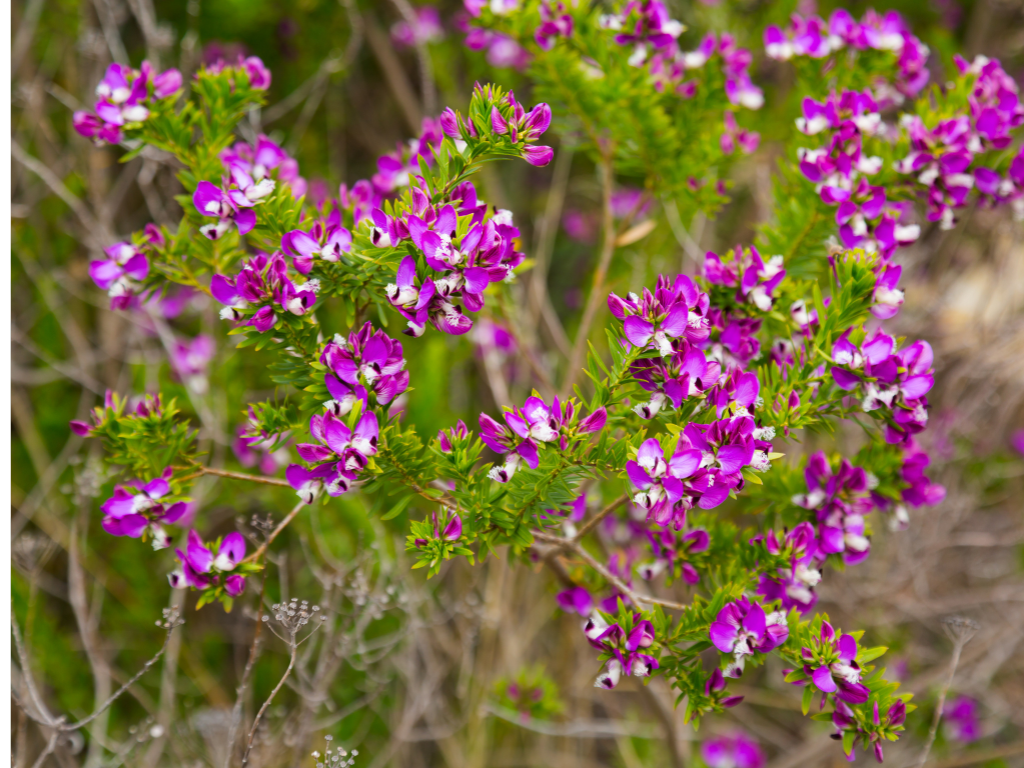
Introduction to Polygala Myrtifolia Polygala myrtifolia, commonly referred to as the sweet pea shrub, is a remarkable plant that captivates gardeners and plant enthusiasts alike with its vibrant purple flowers and lush evergreen foliage. This species belongs to the Polygalaceae family and is native to South Africa, where it thrives in various habitats, including coastal
-
The Allure of Jasminum Grandiflorum: A Comprehensive Guide to Spanish Jasmine
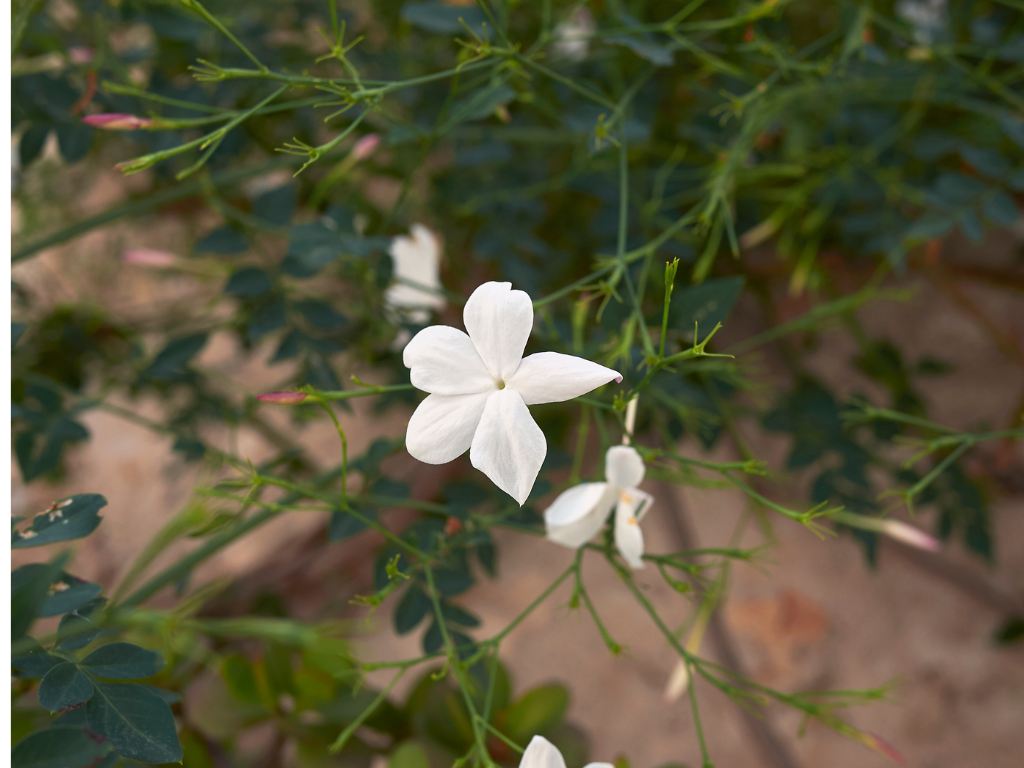
Introduction to Jasminum Grandiflorum Jasminum grandiflorum, commonly referred to as Spanish jasmine or royal jasmine, is a perennial flowering plant that has garnered considerable attention from garden enthusiasts and landscape professionals alike. Renowned for its large, fragrant white flowers, this species is particularly cherished for its stunning aesthetic appeal and its ability to infuse gardens
-
Is Hogweed Safe to Grow? A Gardener’s Guide to This Controversial Plant

Understanding Hogweed: Types and Characteristics The term ‘hogweed’ encompasses a variety of species within the genus Heracleum, with two of the most commonly known being Giant Hogweed (Heracleum mantegazzianum) and Common Hogweed (Heracleum sphondylium). Each species exhibits distinct characteristics that can aid in identification and understanding of their growth habits. Giant Hogweed is notorious for
-
Everything You Need to Know About Hogweed Flower (And Why You Should Be Careful)
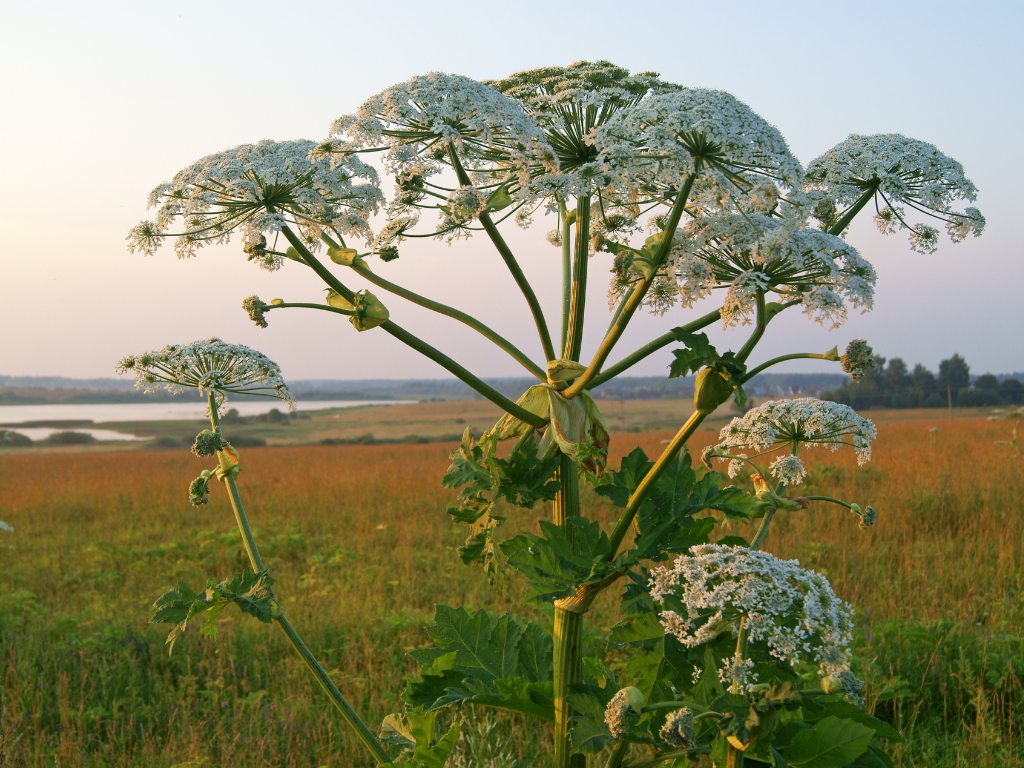
What is Hogweed? The term “hogweed” encompasses several species belonging to the genus Heracleum, characterized by their large size and distinctive appearance. Among the various species, the most notorious is Giant Hogweed (Heracleum mantegazzianum), which is recognized for its impressive stature, potentially reaching heights of up to 14 feet. Its thick, hollow stems can measure
-
The Vibrant World of Sand Verbena: Nature’s Desert Wildflower
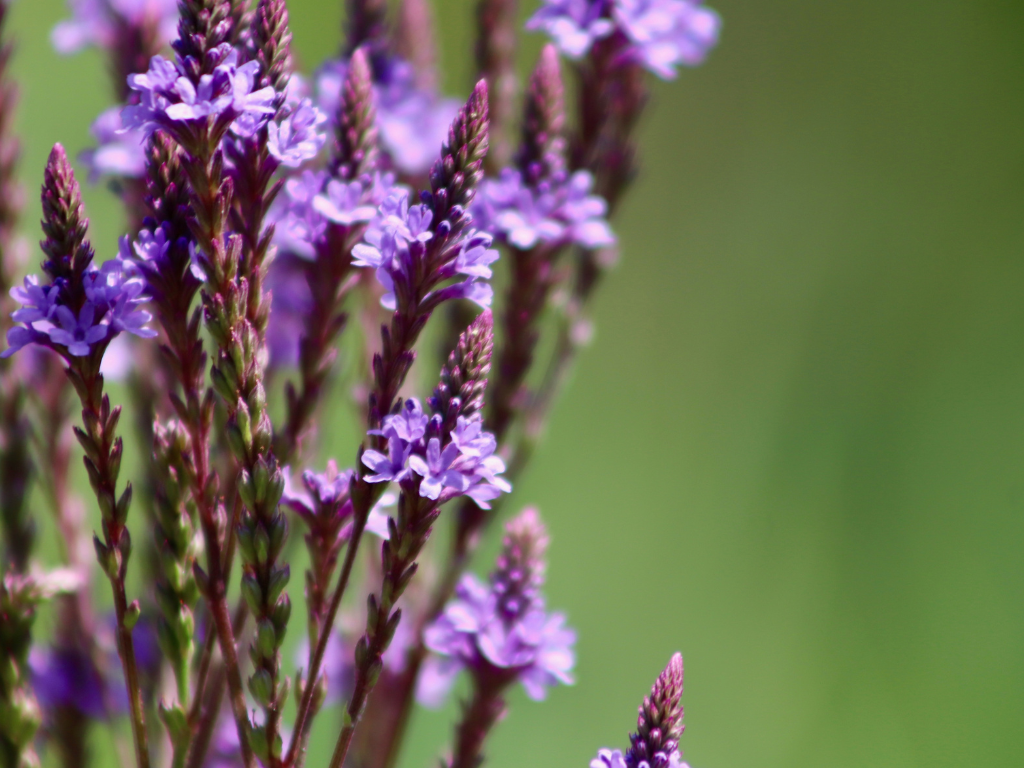
Introduction to Sand Verbena Sand verbena, a captivating desert wildflower, adorns the arid landscapes with its vibrant hues. This resilient plant is often found thriving in sandy soils across the Southwestern United States and Mexico. Its ability to flourish in harsh conditions makes it an essential part of the desert ecosystem. The Spectrum of Sand
-
Meet Proboscidea louisianica: Nature’s Curious Devil’s Claw Plant
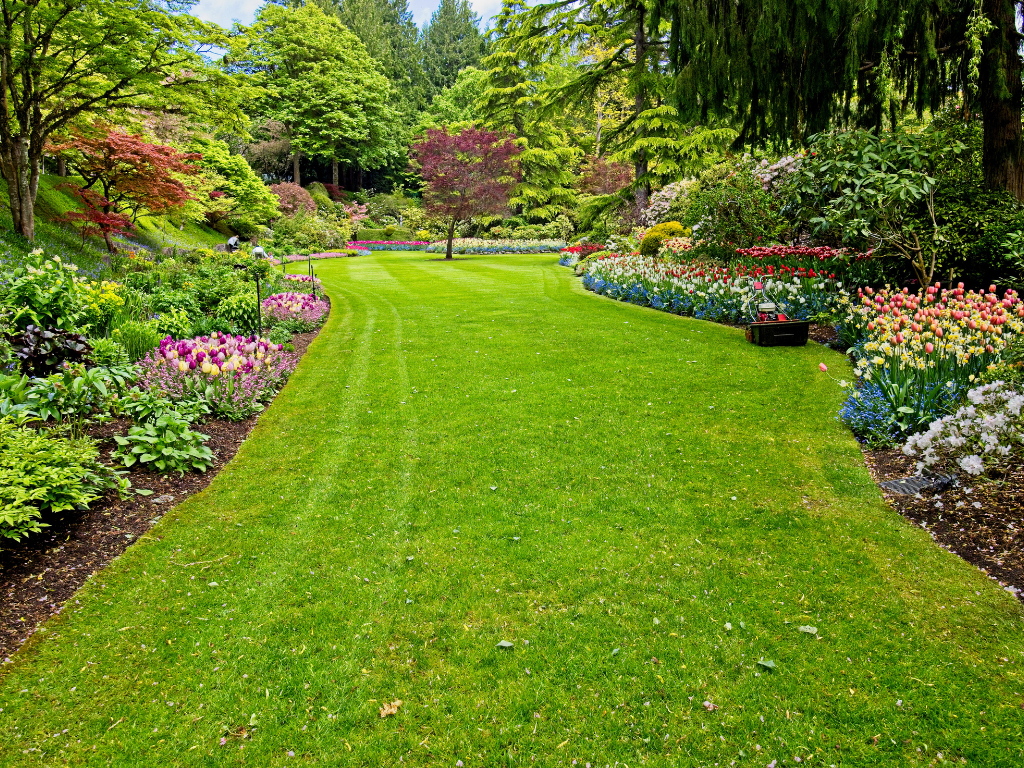
Introduction to Proboscidea louisianica Proboscidea louisianica, widely recognized as the devil’s claw plant, is an intriguing perennial herb native to the southeastern United States and parts of Mexico. This unique plant belongs to the Martyniaceae family and is characterized by its distinctive, claw-shaped seed pods that emerge after the flowering season. The plant’s common names,